Published on 22 June 2026 by ISAD — School of Design in Milan
The Sedi Stage programme at ISAD – School of Design in Milan is a cornerstone of our Bachelor and Master degrees in Interior Design. It bridges the gap between academic study and professional practice, offering students a two-month internship in a carefully selected architecture or design studio in Milan or around the world. This immersive experience is designed to cultivate real-world skills, professional confidence, and a deeper understanding of the design industry's demands.
What is Sedi Stage?
Sedi Stage, which translates to "internship locations" in Italian, is an integral part of the curriculum at ISAD. It is not merely an optional add-on but a required component that enriches the educational journey. The programme places students in professional environments where they can apply the theoretical knowledge and creative techniques learned in the classroom to actual projects. Over two months, students become part of a working studio, contributing to ongoing design tasks and learning from experienced practitioners.
The internship is available to students enrolled in both the Bachelor and Master programmes in Interior Design. This ensures that all graduates leave ISAD with a portfolio that includes not only academic projects but also tangible professional experience. The stage is carefully monitored by the school's academic direction, which receives feedback from the host studios on each student's performance and growth.
A Network of Exceptional Studios
ISAD has established partnerships with more than 20 design and architecture studios, both in Milan—a global capital of design—and internationally. These host organisations range from boutique firms specialising in residential interiors to larger practices working on commercial, hospitality, and public spaces. The diversity of the network allows students to find placements that align with their personal interests and career aspirations.
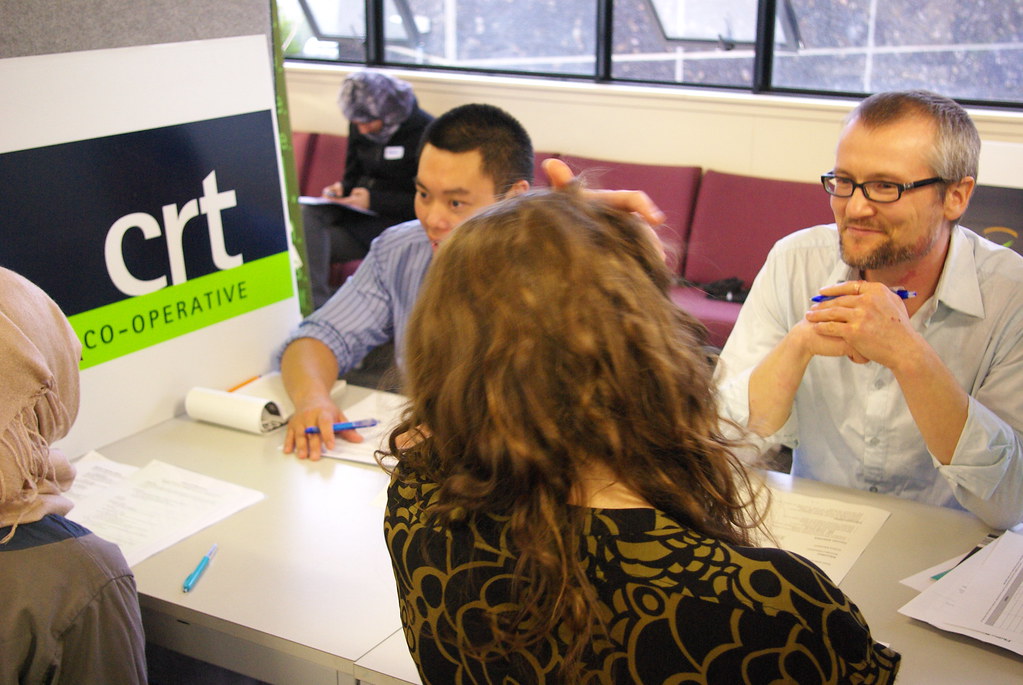
Each studio has been selected for its commitment to quality, innovation, and mentorship. They understand the educational value of the internship and are prepared to involve students in meaningful work rather than relegating them to menial tasks. This careful curation ensures that the Sedi Stage experience is mutually beneficial: students gain invaluable insights, while studios benefit from fresh perspectives and the latest academic knowledge.
The Sedi Stage is where our students transform from learners into professionals, discovering their own voice within the design world.
Learning by Doing: The Internship Experience
During the two-month stage, students are expected to contribute actively to the studio's projects. This may involve participating in client meetings, developing concept boards, creating technical drawings, producing 3D models, or assisting with material selection. The exact tasks vary depending on the studio's focus and the student's level of study, but the overarching goal is to expose students to the full spectrum of professional practice.
One of the key benefits of the Sedi Stage is the opportunity to observe and understand the business side of design. Students learn how projects are managed, how budgets are estimated, how client relationships are nurtured, and how deadlines are met. This holistic exposure is something that cannot be fully replicated in a classroom setting. It prepares students for the realities of working in a competitive industry.
Skills Developed During the Stage
- Technical proficiency: Applying software skills such as AutoCAD, SketchUp, and Adobe Creative Suite to real projects.
- Communication: Presenting ideas clearly to colleagues and clients, both verbally and visually.
- Teamwork: Collaborating with architects, designers, and other professionals in a fast-paced environment.
- Time management: Balancing multiple tasks and meeting project deadlines.
- Professional etiquette: Understanding workplace norms, from dress code to email correspondence.
Milan and Beyond: A Global Perspective
Milan is synonymous with design. Home to the Salone del Mobile, the world's largest furniture fair, and a thriving ecosystem of design studios, showrooms, and manufacturers, the city offers an unparalleled environment for aspiring interior designers. Many Sedi Stage placements are located in Milan, allowing students to immerse themselves in this vibrant creative hub.

However, ISAD also recognises the value of international experience. The network includes studios in other countries, giving students the chance to broaden their cultural horizons and understand design from a global perspective. Whether it's a minimalist studio in Scandinavia or a heritage-focused practice in the UK, these international placements expose students to different design philosophies, building regulations, and client expectations.
How Sedi Stage Enhances Your Degree
The integration of Sedi Stage into the degree programme sets ISAD apart from many other design schools. It reflects the institution's philosophy that education should be deeply connected to the professional world. By the time students graduate, they have already navigated a real work environment, built a network of professional contacts, and gained references that will support their job search.
Moreover, the stage often leads to further opportunities. Many students are offered part-time work or even full-time positions at their host studios after graduation. Even when this is not the case, the experience significantly strengthens a graduate's CV and portfolio, making them more attractive to potential employers. The feedback from host studios also helps the academic team at ISAD to tailor the curriculum to current industry needs, ensuring that the education remains relevant and cutting-edge.
Preparing for Your Stage
Before embarking on their internship, students receive guidance from ISAD's academic staff. This includes workshops on CV writing, portfolio presentation, and interview techniques. Students are encouraged to reflect on their career goals and to research the available studios to find the best match. The school's Counselling & Accommodation service can also provide support, particularly for international students who may need assistance with housing or visas.

During the stage, students maintain contact with their academic tutors, who are available to offer advice and ensure that the experience is productive. At the end of the internship, students submit a reflective report, which forms part of their assessment. This structured approach ensures that the Sedi Stage is not just a break from academic study but a fully integrated learning experience.
For more information about ISAD's history and educational approach, visit our Storia page. To learn about our accreditation, see EABHES. If you are curious about our campus and facilities, explore Location. And for any questions, please contact us.
Written by ISAD — School of Design in Milan
← Back to blog