Published on 10 September 2026 by ISAD — School of Design in Milan
Interior design is more than the art of arranging furniture or selecting color palettes; it is the thoughtful orchestration of space, light, material, and human experience. At ISAD – School of Design in Milan, the Bachelor in Interior Design offers a rigorous three-year program that blends Italian design heritage with contemporary global practice. This course prepares students to become versatile professionals capable of shaping residential, commercial, and cultural environments that are both functional and emotionally resonant.
Why Study Interior Design in Milan?
Milan is universally recognized as a global capital of design, fashion, and architecture. The city hosts the Salone del Mobile, the world’s most prestigious furniture fair, and is home to leading design studios, showrooms, and creative agencies. Studying interior design in Milan means being immersed in a living laboratory of innovation, where historical palazzos coexist with cutting-edge contemporary architecture.
At ISAD, students benefit from this vibrant context. The school’s location in the heart of Milan provides direct access to design districts, material libraries, and professional networks. The Bachelor in Interior Design leverages this environment to offer a curriculum that is deeply connected to the realities of the industry, with studio visits, guest lectures from practicing designers, and live project briefs that reflect current market demands.
Program Structure and Learning Outcomes
The Bachelor in Interior Design is structured over three academic years, totaling 180 ECTS credits. The program balances theoretical knowledge with hands-on studio practice, ensuring that graduates possess both a strong conceptual foundation and the technical skills required to execute their ideas. Each year builds progressively, moving from fundamental principles to advanced professional practice.
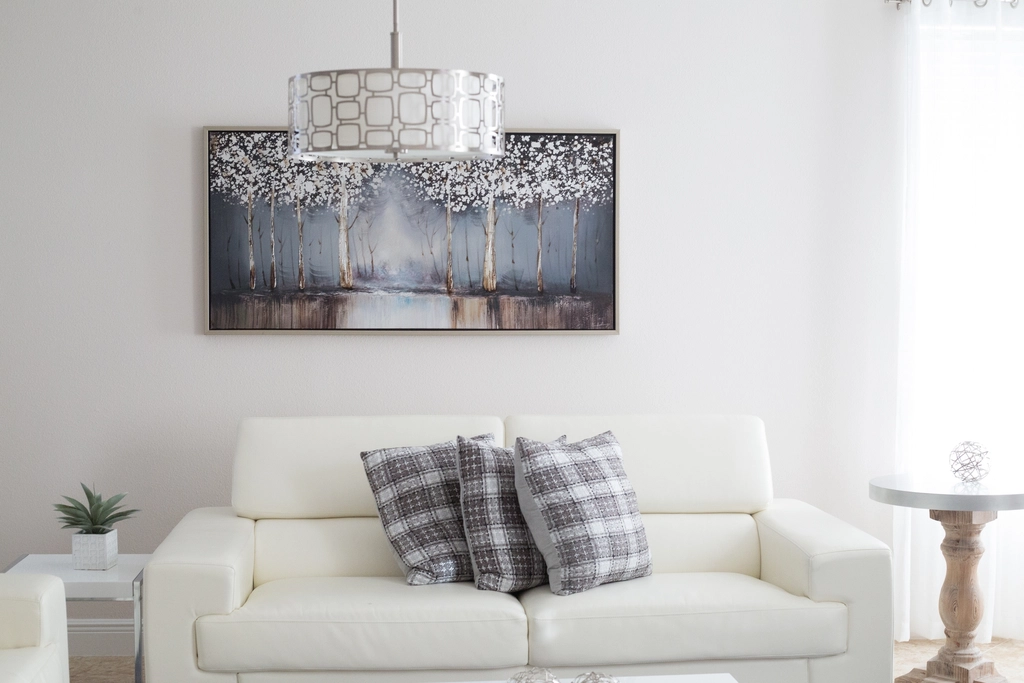
Year One – Foundations: Students are introduced to the core principles of interior design, including drawing, color theory, materials, and the history of design. Courses in technical drawing and CAD software establish essential digital literacy. The first year culminates in small-scale residential projects that teach spatial planning and ergonomics.
Year Two – Application: The second year expands into commercial and public spaces, such as retail, hospitality, and office design. Students explore lighting design, sustainable practices, and building systems. Collaborative projects encourage teamwork and interdisciplinary thinking. A focus on Italian design culture, including the study of iconic designers and movements, enriches the creative vocabulary.
Year Three – Specialization and Thesis: The final year offers opportunities for specialization in areas like yacht design or garden design, depending on student interest and faculty availability. The capstone thesis project requires students to develop a comprehensive interior design proposal, from concept to detailed technical drawings, presented before a jury of professionals. Internship opportunities and portfolio development prepare students for entry into the workforce.
Key Skills You Will Develop
Graduates of the Bachelor in Interior Design at ISAD emerge with a versatile skill set that is highly valued in the design industry. The program emphasizes both creative and technical competencies, ensuring that students can navigate the full design process from ideation to execution.
- Spatial Planning and Ergonomics: Understanding how people move through and use spaces, and designing layouts that optimize flow and functionality.
- Technical Drawing and CAD: Proficiency in industry-standard software such as AutoCAD, SketchUp, and Revit, enabling precise documentation and 3D visualization.
- Material Knowledge: In-depth understanding of materials, finishes, and their applications, including sustainability considerations.
- Lighting Design: The ability to design lighting schemes that enhance mood, highlight architectural features, and meet functional needs.
- Color Theory and Psychology: Using color effectively to create desired atmospheres and influence user experience.
- Project Management: Planning, budgeting, and coordinating with contractors and suppliers to bring designs to life.
- Communication and Presentation: Articulating design concepts through sketches, renderings, and verbal presentations.
Career Opportunities After Graduation
A Bachelor in Interior Design from ISAD opens doors to a wide range of career paths in the design and architecture industries. Graduates may find employment in interior design studios, architectural firms, or as independent consultants. The program’s emphasis on both residential and commercial design ensures adaptability to various sectors.
Common roles include interior designer, space planner, set designer, exhibition designer, and retail designer. Some graduates choose to pursue further specialization through the Master in Interior Design program at ISAD, which offers advanced training in areas like hospitality design or sustainable interiors. Others may enter related fields such as furniture design, lighting design, or visual merchandising.
The international nature of Milan’s design scene means that graduates are well-prepared to work in global markets. ISAD’s career services provide support with portfolio reviews, internship placements, and networking events, helping students transition smoothly into professional life.
Learning Environment and Facilities
ISAD offers a dynamic learning environment that mirrors a professional design studio. Class sizes are intentionally small to ensure personalized attention and mentorship from faculty, who are practicing designers and architects with extensive industry experience. The school’s facilities include dedicated design studios, computer labs with the latest software, a material library, and a workshop for model making and prototyping.

Students have access to the workshop throughout their studies, allowing them to experiment with materials and construction techniques. This hands-on approach is central to the ISAD philosophy, bridging the gap between digital design and physical realization. Regular critiques and reviews with external professionals provide valuable feedback and prepare students for the realities of client presentations.
“Interior design is not just about making spaces beautiful; it’s about solving problems and improving the quality of life for the people who inhabit those spaces.”
Admissions and Portfolio Requirements
Admission to the Bachelor in Interior Design at ISAD is competitive and based on a combination of academic background, motivation, and creative potential. Prospective students are typically required to submit a portfolio of creative work, which may include drawings, sketches, photographs, or any visual material that demonstrates their interest in design. No prior formal training in interior design is mandatory, but a strong passion for the field is essential.
The application process also includes an interview, either in person or online, where candidates can discuss their aspirations and show their commitment to the program. For international students, proof of English proficiency may be required, as the program is taught entirely in English. ISAD welcomes applicants from diverse backgrounds, recognizing that varied perspectives enrich the learning experience.
For those who may not yet meet the entry requirements or wish to strengthen their foundational skills, ISAD offers a Basic Bachelor 180 ECTS pathway that provides additional preparation before entering the full degree program.
Why Choose ISAD for Your Interior Design Education?
Choosing where to study interior design is a significant decision that will shape your future career. ISAD distinguishes itself through its location in Milan, its practice-oriented curriculum, and its commitment to nurturing individual creativity. The school’s strong connections with the design industry provide students with unparalleled opportunities for internships, collaborations, and employment after graduation.
Moreover, ISAD’s focus on Italian design heritage gives students a unique perspective that is highly valued worldwide. Italy’s tradition of craftsmanship, attention to detail, and innovative use of materials is woven throughout the curriculum, ensuring that graduates possess a distinctive design sensibility. Whether you aspire to design luxury residences, innovative workspaces, or public cultural institutions, the Bachelor in Interior Design at ISAD provides the knowledge, skills, and network to turn your vision into reality.
Explore related programs such as the Interior Design overview or the specialized Garden Design Milano course to see how ISAD can support your creative journey.
Written by ISAD — School of Design in Milan
← Back to blog