Published on 8 January 2026 by ISAD — School of Design in Milan
In the world of retail design, few collaborations demand as much visual and spatial coherence as the partnership between Nike and Jun Takahashi’s Undercover label. The Gyakusou collection—a running-focused line that blends high-performance sportswear with avant-garde fashion—requires a retail environment that can communicate both technical precision and poetic subversion. The Gyakusou Nike Undercover Lab Shop Design project, developed within ISAD’s portfolio, explores how a temporary retail space can embody the ethos of a brand that exists at the intersection of athletics and art. Rather than a conventional store, the design proposes a laboratory-like atmosphere where the act of running is dissected, celebrated, and reimagined through spatial experience.
Conceptual Framework: Running as a State of Mind
The design begins with a deep investigation into the philosophy behind Gyakusou. The name itself—derived from a Japanese term meaning “running in reverse” or “going against the grain”—suggests a contrarian approach to both movement and fashion. The project translates this idea into a spatial narrative where visitors are encouraged to perceive running not merely as exercise but as a meditative, almost rebellious act. The space is conceived as a sequence of environments that mirror the psychological stages of a run: preparation, exertion, rhythm, and recovery.
This conceptual grounding is critical because it prevents the design from falling into the trap of generic sportswear retail. Instead of rows of mannequins and bright lighting, the proposal uses materials and spatial cues that evoke the urban and natural landscapes where runners often find themselves. Concrete, raw metal, and translucent textiles are combined with sudden moments of color and graphic intensity, reflecting the tension between the city and the trail that defines Gyakusou’s aesthetic.
Spatial Organization: From Street to Lab
The interior layout is divided into distinct zones that correspond to different aspects of the Gyakusou universe. The entrance acts as a decompression chamber—a transition from the chaotic street to a more focused, almost clinical environment. Here, the design employs a muted palette and indirect lighting to slow the visitor’s pace and prepare them for the experience ahead. This threshold is crucial because it signals that this is not a typical retail space but a curated environment meant to be explored deliberately.
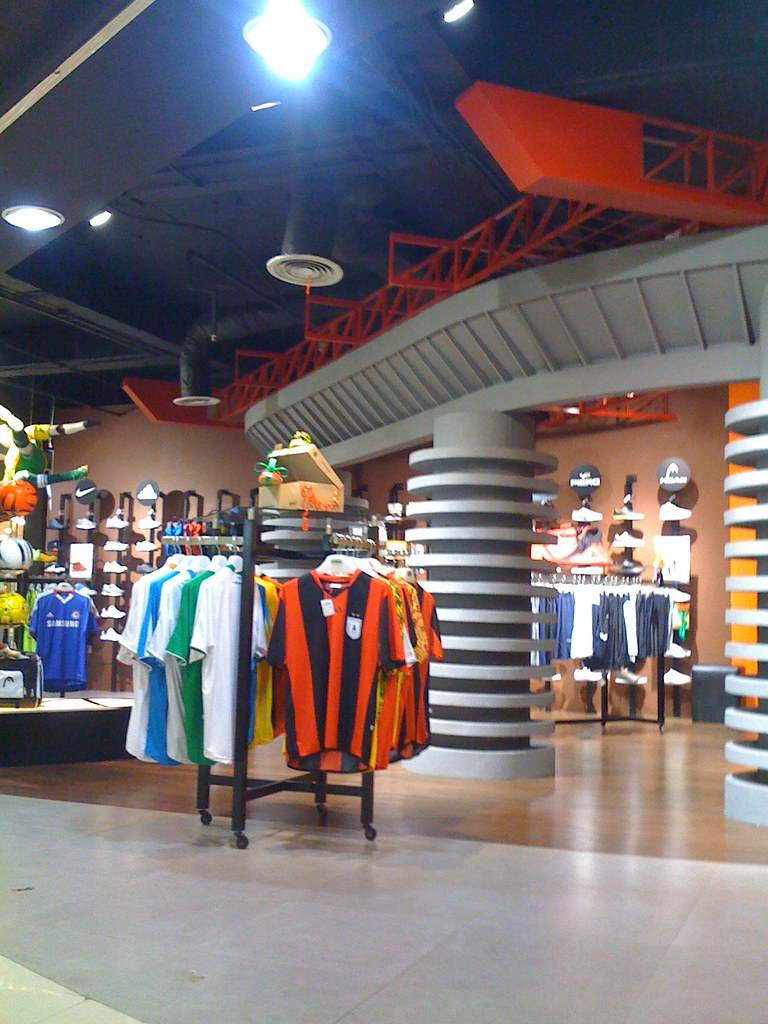
Moving deeper into the space, the main product display area is organized around a central “track” that guides circulation. This track is not a literal running lane but an abstracted path marked by changes in flooring material and subtle elevation shifts. Along this path, display fixtures are designed to resemble laboratory equipment—shelving units with adjustable arms, hanging rails that recall medical IV stands, and glass cases that suggest specimen preservation. This lab metaphor is not merely aesthetic; it reinforces the idea that Gyakusou products are the result of intense research and experimentation, blurring the line between sportswear and technical apparel.
Materiality and Atmosphere: The Poetry of Industrial Precision
Material selection plays a pivotal role in communicating the brand’s dual identity. The design favors raw, industrial materials—polished concrete floors, exposed steel framing, and corrugated metal panels—that speak to the utilitarian roots of athletic gear. However, these are juxtaposed with softer, more tactile elements such as felt wall panels, woven rope partitions, and translucent polycarbonate screens that diffuse light and create a sense of depth. This contrast mirrors the Gyakusou collection itself, where high-tech fabrics are cut and draped in ways that challenge traditional sportswear silhouettes.
Lighting is treated as a design element rather than a mere utility. The proposal calls for a combination of cool, clinical LED strips that highlight product details and warmer, ambient sources that create pockets of intimacy. In the fitting area, for example, lighting is dimmed and redirected to evoke the feeling of running at dawn or dusk—moments when the urban environment takes on a different character. This attention to atmospheric nuance elevates the space beyond a simple sales floor and into a realm of experiential storytelling.
The Gyakusou space is not about selling shoes; it is about making you feel the rhythm of the run before you ever lace up.
Display and Interaction: Products as Specimens
Display strategies are designed to encourage close inspection and tactile engagement. Rather than lining products on standard shelves, the design proposes modular display units that can be reconfigured to suit different product drops or seasonal narratives. Some units incorporate built-in screens that play slow-motion footage of runners in urban environments, creating a dynamic backdrop that connects the static products to the kinetic act they are designed for. Other displays are more sculptural, suspending garments in mid-air using tension cables, as if they are frozen in the moment of motion.
Interactive elements are carefully integrated to enhance the lab metaphor. A “gait analysis” corner features a pressure-sensitive floor that visualizes footfall patterns, allowing visitors to understand their own running mechanics. This is not a gimmick but a functional tool that aligns with Nike’s emphasis on performance data. By inviting visitors to participate in the research process, the design blurs the boundary between consumer and subject, reinforcing the idea that Gyakusou is a collaborative exploration of movement.
Brand Integration: Undercover’s Subversive Aesthetic
While Nike provides the technical foundation, Undercover contributes a layer of subversion and artistic irreverence. The design incorporates subtle references to Takahashi’s broader work—fragmented graphics, unexpected typography, and a certain punk sensibility that resists commercial polish. This is achieved through details such as hand-painted signage, deliberately mismatched fixtures, and a soundtrack of ambient noise and experimental music that plays throughout the space. These elements prevent the environment from feeling overly corporate or sterile, ensuring that the Undercover DNA remains present.
The color palette is intentionally restrained but punctuated by moments of high contrast. Stark whites and greys dominate, but accents of electric blue, neon yellow, and deep crimson appear in strategic locations—on a single wall, a display plinth, or a graphic mural. These bursts of color echo the reflective details and bold colorways found in Gyakusou apparel, creating a visual rhythm that guides the eye through the space and reinforces brand recognition without overwhelming the senses.
Conclusion: A Laboratory for the Future of Running
The Gyakusou Nike Undercover Lab Shop Design is ultimately a meditation on the evolving relationship between sport, fashion, and retail experience. By rejecting the conventional store format in favor of a laboratory-like environment, the project proposes a new model for how brands can engage with consumers who are increasingly seeking meaning and narrative in their purchases. The space does not simply display products; it immerses visitors in the philosophy and aesthetics of Gyakusou, transforming a shopping trip into a journey through the mind of a runner.
This project stands as a testament to the power of design to elevate commerce into culture. It demonstrates how careful attention to concept, materiality, and atmosphere can create a retail environment that is both functional and poetic—a space where the act of running is not just represented but felt. For students and professionals alike, it offers a compelling case study in how to translate abstract brand values into tangible spatial experiences.
Written by ISAD — School of Design in Milan
← Back to blog