Published on 8 April 2026 by ISAD — School of Design in Milan
In the dynamic landscape of contemporary design education, few projects capture the essence of interdisciplinary exploration as vividly as Cohors. Developed within the vibrant studios of ISAD – School of Design in Milan, this project stands as a testament to the school's commitment to fostering creative thinking that transcends conventional boundaries. It invites us to reconsider the relationship between form, function, and the human experience, offering a fresh perspective on how design can shape our interactions with the world around us.
Conceptual Foundations of Cohors
At its core, Cohors is an exploration of collective identity and spatial belonging. The term itself, derived from Latin, evokes notions of a cohort or a group united by common purpose. The project delves into how individuals navigate shared environments and how design can either reinforce or dissolve the barriers between personal and communal spaces. This conceptual underpinning is not merely theoretical; it is woven into every design decision, from the choice of materials to the articulation of volumes.
The project challenges the notion of the object as a static entity. Instead, it proposes a dynamic system where components interact, adapt, and respond to the needs of users. This fluidity is a hallmark of contemporary design thinking, reflecting a shift away from rigid, top-down approaches toward more participatory and evolving frameworks. In the context of Milan—a city renowned for its design heritage and forward-thinking ethos—Cohors resonates deeply with ongoing conversations about urban living and social cohesion.
Design Process and Methodology
The journey from concept to realization for Cohors was marked by rigorous research and iterative prototyping. Students engaged in extensive fieldwork, observing how people occupy and move through various spaces. These observations informed the development of a modular system that could be reconfigured to suit different contexts, from intimate domestic settings to larger public venues. The emphasis on modularity is not just a practical concern; it also embodies the project's philosophical stance on flexibility and user agency.

Digital fabrication played a crucial role in bringing the design to life. Techniques such as 3D printing and CNC milling allowed for precision and experimentation, enabling the team to test multiple iterations rapidly. This integration of advanced manufacturing methods with traditional craftsmanship is a distinctive feature of ISAD's pedagogical approach, ensuring that students are well-versed in both digital and analog realms. The result is a project that feels both contemporary and timeless, rooted in material honesty and structural clarity.
Materiality and Tectonics
Material selection for Cohors was driven by a desire to balance durability with environmental responsibility. The team explored a palette of sustainable materials, including reclaimed wood, recycled metals, and bio-based composites. Each material was chosen not only for its physical properties but also for its tactile and visual qualities, contributing to an overall sensory experience that invites touch and engagement. The tectonic expression—how elements are joined and assembled—was treated as an integral part of the design language, with connections left visible to celebrate the logic of construction.
This emphasis on materiality and tectonics underscores a broader educational philosophy at ISAD: that design is not merely about surface aesthetics but about the thoughtful integration of form, structure, and meaning. By foregrounding these aspects, Cohors encourages viewers to appreciate the intrinsic beauty of well-crafted objects and the stories they tell about their making.
User Experience and Interaction
Central to Cohors is the idea that design should be intuitive and inclusive. The project's modular components are designed to be easily manipulated, allowing users to personalize their environment according to changing needs. This user-centric approach reflects a growing trend in design toward co-creation and empowerment, where the end user becomes an active participant rather than a passive recipient. The project's success lies in its ability to foster a sense of ownership and connection, transforming spaces into places of meaning.
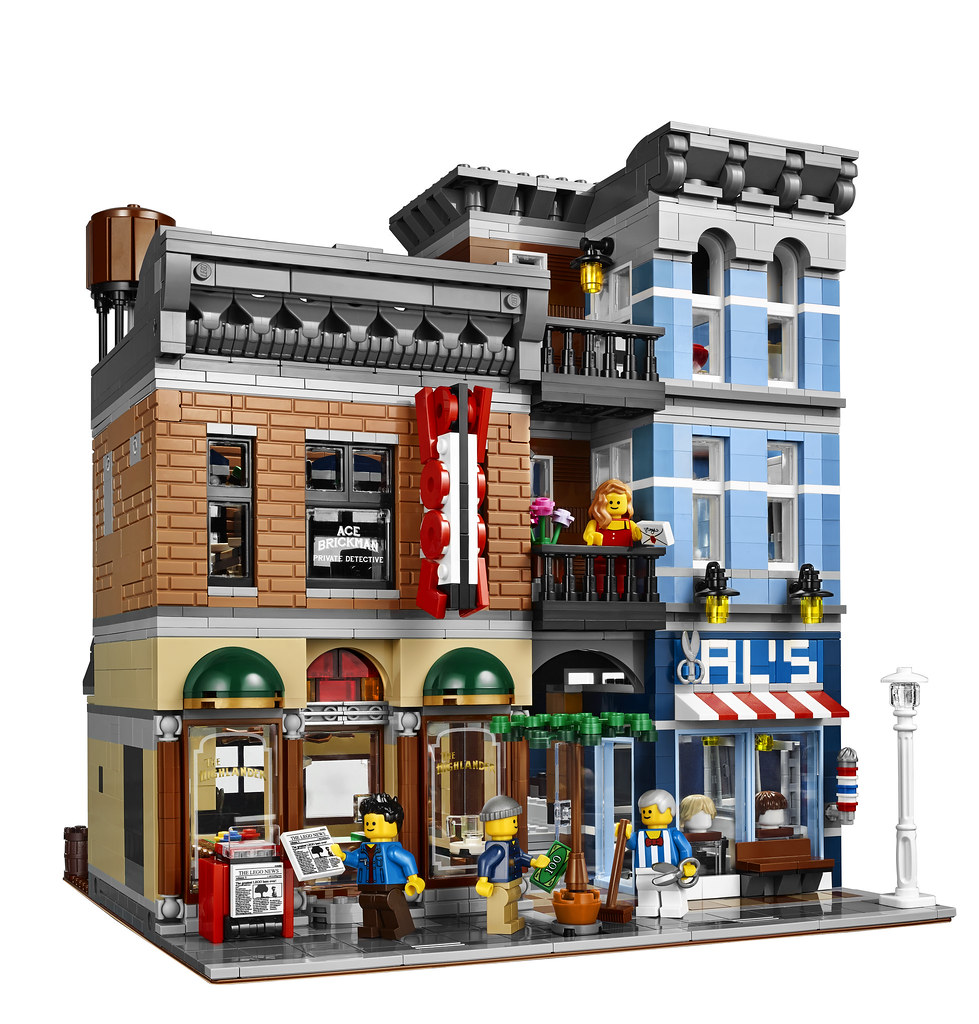
“Cohors is not just a project; it is a conversation between the designer, the user, and the space. It asks us to rethink the boundaries we take for granted and to imagine new possibilities for living together.”
Accessibility was another key consideration. The design team paid careful attention to ergonomics, ensuring that components could be used comfortably by people of diverse ages and abilities. This commitment to universal design principles aligns with ISAD's mission to prepare students for real-world challenges, where empathy and inclusivity are paramount. The project thus serves as a model for how design can contribute to social equity and well-being.
Contextual Relevance and Inspiration
While Cohors is a standalone project, it draws inspiration from a rich lineage of design thinking that includes notable precedents in modular and systemic design. The influence of Italian radical design movements of the 1960s and 70s is evident in its playful yet rigorous approach to form. At the same time, the project engages with contemporary issues such as urbanization, sustainability, and the sharing economy, making it highly relevant to today's design discourse. For those interested in exploring similar themes, the portfolio also features projects like Ahuir340, which offers complementary perspectives on spatial design.
The project's contextual awareness extends to its potential applications. Whether envisioned as a flexible workspace, a communal gathering area, or an adaptable living unit, Cohors demonstrates how design can respond to the multifaceted demands of modern life. Its scalability and adaptability make it a compelling proposition for a variety of settings, from dense urban centers to more rural environments. This versatility is a testament to the depth of research and foresight that underpinned its development.
Educational Impact and Legacy
Beyond its immediate design outcomes, Cohors has had a lasting impact on the ISAD community. The project exemplifies the school's emphasis on project-based learning, where students are encouraged to take risks, embrace complexity, and learn from both successes and failures. The collaborative nature of the work fostered a strong sense of camaraderie among participants, reflecting the very themes of collectivity that the project explores. This alignment between process and content is a powerful pedagogical tool, reinforcing the idea that how we design is as important as what we design.
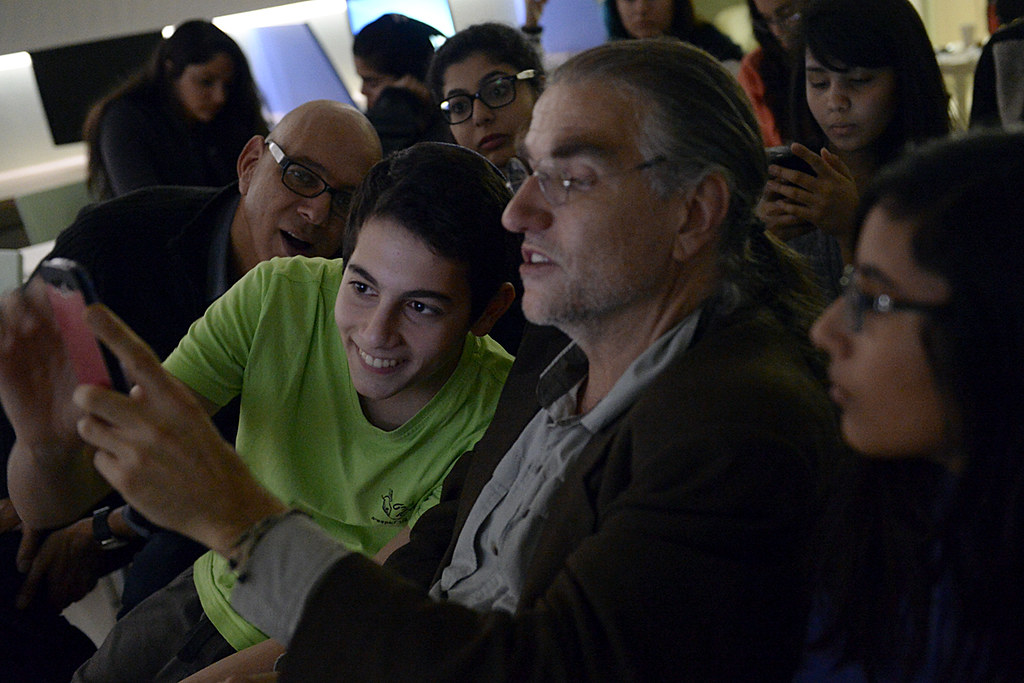
The legacy of Cohors extends to its role as a reference point for future cohorts of students. It demonstrates the potential of design to address pressing social and environmental challenges while maintaining a high level of aesthetic and functional quality. As such, it embodies the values of ISAD: creativity, rigor, and a deep commitment to improving the human condition through thoughtful design. Visitors to the portfolio can also explore related works such as Ahuir340 - Image 12 to see further explorations in this vein.
Conclusion: The Enduring Relevance of Cohors
In conclusion, Cohors stands as a remarkable achievement in design education, showcasing the talent and vision of ISAD students. It is a project that invites reflection on the nature of space, community, and the objects that mediate our interactions. Through its innovative use of materials, its user-centered approach, and its deep conceptual grounding, it offers a compelling vision for the future of design. As we navigate an increasingly complex world, projects like Cohors remind us of the power of design to inspire, connect, and transform.
The project's enduring relevance lies in its ability to spark dialogue and provoke new ways of thinking. It challenges us to question the status quo and to imagine more sustainable, equitable, and beautiful ways of living. For those who encounter it, Cohors is not merely an object or a system; it is an invitation to participate in the ongoing story of design. And in that invitation lies its true significance—a testament to the transformative potential of creative practice nurtured at ISAD.
Written by ISAD — School of Design in Milan
← Back to blog