Published on 19 March 2026 by ISAD — School of Design in Milan
In the realm of contemporary design, few projects capture the delicate balance between heritage and innovation as poignantly as Cohors. Conceived within the vibrant studios of ISAD – School of Design in Milan, this project stands as a testament to the institution's commitment to nurturing visionary talent. The fourth image in the Cohors series offers a glimpse into a world where material, form, and meaning converge, inviting viewers to explore the deeper narratives embedded in everyday objects. This article delves into the conceptual foundations, design philosophy, and educational context that shape this remarkable work.
The Genesis of Cohors: A Student Vision
Every great design begins with a question, and Cohors is no exception. The project emerged from a course that challenges students to interrogate the relationship between protection, community, and individual expression. The term "cohors" itself—Latin for an enclosed yard or a cohort of soldiers—evokes themes of shelter, collective identity, and the boundaries we construct around ourselves. In the hands of ISAD students, these ancient concepts are reinterpreted through a modern lens, resulting in a design that feels both timeless and urgently contemporary.
The author of this project, a student whose name is not disclosed in the source material, drew inspiration from the layered histories of Milanese architecture and the city's enduring role as a crossroads of cultures. The project brief, as part of the curriculum, encouraged an exploration of how physical forms can mediate between private and public spaces, a theme that resonates deeply in urban environments. The fourth image in the series captures a pivotal moment in this exploration, showcasing the project's materiality and spatial logic.
Course Context: Designing for Meaning
At ISAD, design education transcends mere technical skill. The course under which Cohors was developed emphasizes a holistic approach, blending theory, history, and hands-on experimentation. Students are pushed to think beyond aesthetics, considering the social, cultural, and environmental implications of their work. This pedagogical philosophy is evident in the depth and rigor of the project, which reflects a mature understanding of design as a tool for storytelling.
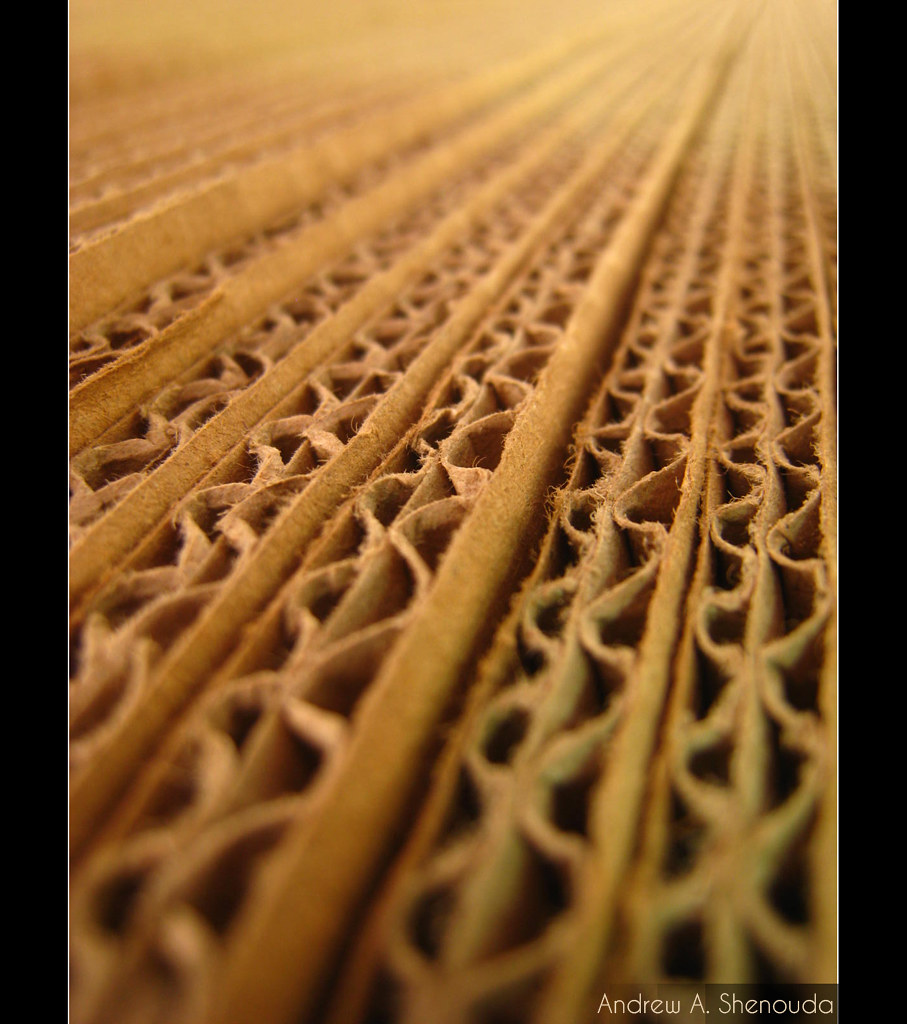
The course structure typically involves a series of workshops, critiques, and collaborative sessions, allowing students to refine their ideas through iterative processes. The Cohors project, like many others showcased in the ISAD portfolio, benefits from this immersive environment. The fourth image reveals a design that is not only functional but also evocative, hinting at the countless hours of research and prototyping that preceded the final outcome.
The Mood: Between Solidity and Airiness
One of the most striking aspects of Cohors is its mood—a delicate interplay between solidity and airiness. The design seems to anchor itself in the earth while reaching for the sky, a duality that speaks to the human condition. The materials chosen—likely a combination of natural and industrial elements—create a tactile richness that invites touch. In the fourth image, the play of light and shadow adds a layer of depth, suggesting that the object is not static but alive with possibility.
This mood is not accidental. It is the result of careful consideration of how users might interact with the design in different contexts. Whether placed in a domestic interior or a public square, Cohors adapts, offering a sense of enclosure without confinement. The emotional resonance of the project is a hallmark of ISAD's approach, where students learn to craft experiences, not just objects.
Design is not just about solving problems; it is about asking the right questions. Cohors asks us to reconsider the boundaries we take for granted.
Form and Function: A Symbiotic Relationship
In Cohors, form and function are inextricably linked. The design's structure, while aesthetically compelling, serves a practical purpose: to provide shelter, define space, or organize movement. The fourth image highlights the project's modular potential, suggesting that it can be configured in multiple ways to suit different needs. This flexibility is a key strength, making the design relevant across various scales and settings.

The attention to detail is remarkable. Joints, connections, and surfaces are treated with precision, reflecting a deep understanding of materials and construction techniques. The project does not shy away from complexity; instead, it embraces it, turning potential challenges into opportunities for innovation. This rigor is a testament to the high standards upheld at ISAD, where students are encouraged to push the boundaries of what is possible.
The Educational Journey: From Concept to Realization
The path from initial concept to final realization is rarely linear, and Cohors is a perfect example of this creative journey. Students at ISAD are guided through a process that includes extensive research, sketching, model-making, and digital fabrication. The fourth image represents a milestone in this journey—a moment when the abstract idea begins to take tangible form. It is a snapshot of learning in action, capturing the excitement and uncertainty of the design process.
Critiques from faculty and peers play a crucial role in shaping the outcome. These sessions are not merely evaluative but collaborative, fostering a culture of constructive feedback. The Cohors project, as seen in the portfolio, reflects the synthesis of multiple perspectives, refined through dialogue and iteration. This collaborative spirit is a cornerstone of the ISAD experience, preparing students for the realities of professional practice.
Materiality and Sustainability: A Forward-Looking Approach
In today's design landscape, sustainability is not an afterthought but a foundational principle. Cohors demonstrates a conscientious approach to material selection, favoring resources that are durable, renewable, or recyclable. The fourth image hints at the use of natural fibers, reclaimed wood, or low-impact composites, aligning with ISAD's commitment to environmental stewardship. This forward-looking perspective ensures that the project is not only beautiful but also responsible.
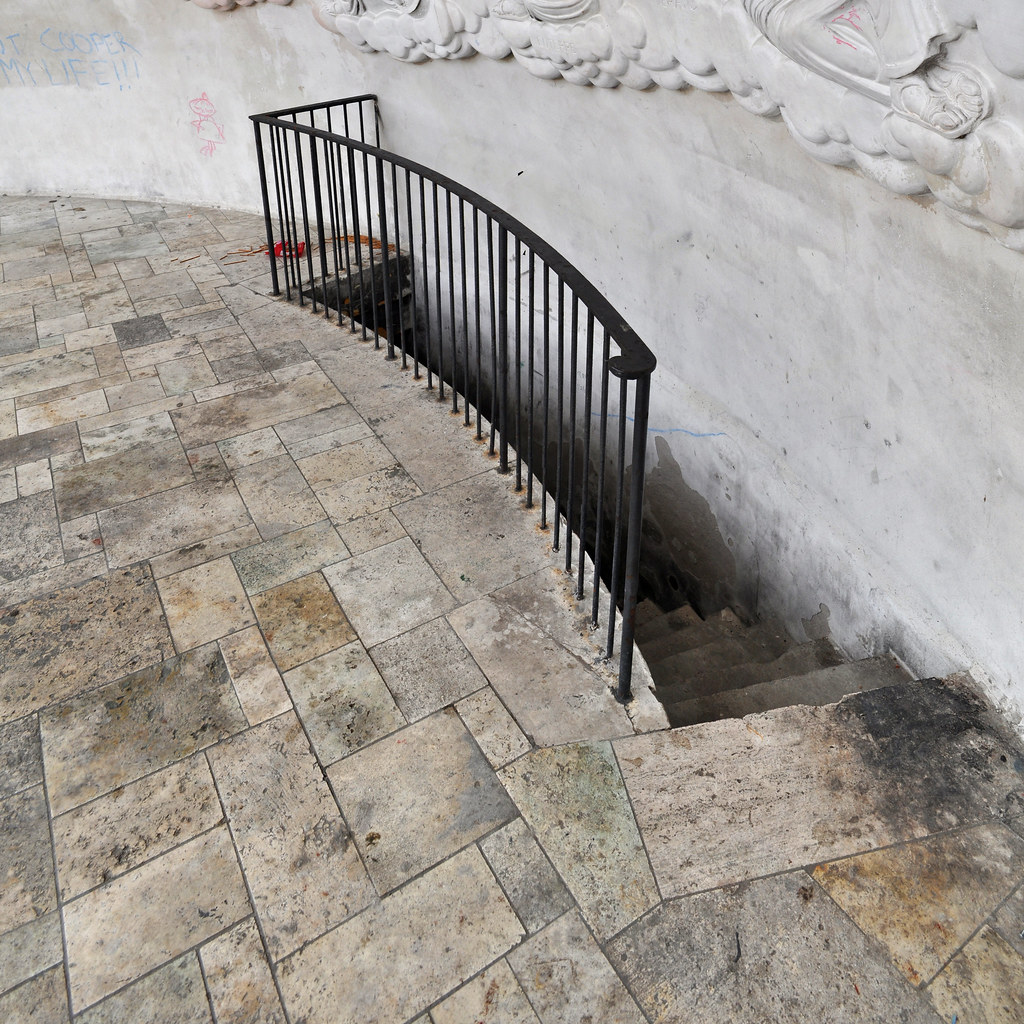
Moreover, the design's adaptability contributes to its sustainability. By allowing for multiple configurations and uses, Cohors reduces the need for replacement or obsolescence. This longevity is a key consideration in contemporary design, where the lifecycle of a product is as important as its initial appeal. Students at ISAD are taught to think holistically, considering the entire ecosystem of their creations.
Place in the ISAD Portfolio
The Cohors project holds a distinguished place in the ISAD portfolio, which showcases the best work produced by students during their courses. The portfolio serves as a living archive of creativity, demonstrating the evolution of design thinking over time. The fourth image, in particular, captures a moment of clarity and confidence, reflecting the culmination of intensive study and experimentation.
Visitors to the portfolio can explore a range of projects, each with its own unique narrative. While Cohors stands out for its conceptual depth, it is part of a larger conversation about the role of design in society. The portfolio not only celebrates individual achievements but also highlights the collective ethos of ISAD—a community dedicated to pushing the boundaries of what design can achieve.
Conclusion: The Enduring Impact of Cohors
As we reflect on Cohors, it becomes clear that this project is more than a mere academic exercise. It is a statement about the power of design to shape our world, to challenge our assumptions, and to inspire new ways of living. The fourth image, with its evocative composition and meticulous craftsmanship, invites us to pause and consider the possibilities that lie within the spaces we inhabit. For the students of ISAD, this project is a stepping stone—a testament to their growth and a preview of their future contributions.
In the end, Cohors reminds us that design is a dialogue—between past and present, between maker and user, between the individual and the collective. It is a conversation that continues to evolve, and ISAD is proud to be at its forefront. We invite you to explore more projects in our portfolio and witness the next generation of design visionaries.
Written by ISAD — School of Design in Milan
← Back to blog