Published on 3 April 2026 by ISAD — School of Design in Milan
In the heart of Milan, where design tradition meets relentless innovation, ISAD – Istituto Superiore di Architettura e Design – has long been a crucible for emerging creative talent. Among the many compelling works produced by its students, the project known as Cohors stands out as a thoughtful exploration of spatial identity, material honesty, and the subtle dialogue between architecture and its inhabitants. This article focuses on Cohors – Image 12, a single visual moment that encapsulates the project’s core ideas and offers a window into the design philosophy nurtured at ISAD.
Understanding the Cohors Project
Cohors, as a student project developed within the ISAD curriculum, is not merely an exercise in form-making but a rigorous investigation into how spaces can foster a sense of belonging and collective identity. The term "cohors" – Latin for a cohort or an enclosed group – suggests a community bound by shared purpose, and this conceptual underpinning is evident in the project’s spatial organization. The design likely grapples with questions of privacy versus openness, individual retreat versus communal gathering, and the thresholds that mediate between them. Such themes are central to contemporary architectural discourse, particularly in urban contexts where density demands intelligent solutions for cohabitation.
Within the ISAD pedagogical framework, projects like Cohors are expected to demonstrate not only aesthetic sensibility but also technical competence and theoretical awareness. Students are encouraged to draw from a wide range of references – from the spatial sequences of Roman architecture to the social housing experiments of the twentieth century – and to synthesize these influences into a coherent, original proposal. The result is a body of work that is both deeply personal and rigorously contextual, reflecting the school’s commitment to producing designers who are as thoughtful as they are skilled.
The Significance of Image 12
In any architectural presentation, the selection and sequencing of images are critical rhetorical acts. Each image is chosen to advance a narrative, to reveal a particular aspect of the design, or to evoke a specific emotional response. Image 12, therefore, is not an arbitrary frame but a carefully considered moment within the Cohors story. While we do not have a verbal description of the image’s content, its placement in the series suggests that it occupies a pivotal role – perhaps revealing a key spatial relationship, a material detail, or a quality of light that defines the project’s atmosphere.
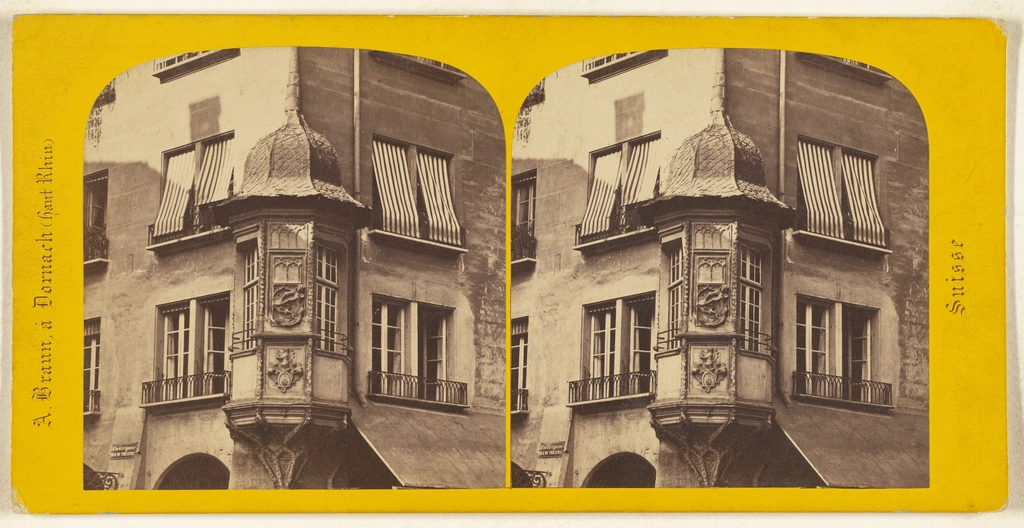
One might imagine Image 12 as a view through a threshold, capturing the transition from a compressed entry sequence into a more expansive communal space. Alternatively, it could be a close-up of a material junction, where the tactile qualities of concrete, timber, or steel are brought into sharp focus. In either case, the image would serve to ground the project’s abstract ideas in tangible, experiential reality. This is a hallmark of ISAD’s teaching: the insistence that architecture is not just an intellectual exercise but a physical, sensory art form that must be understood through the body as much as the mind.
Design Philosophy at ISAD
ISAD’s approach to design education is rooted in the belief that architecture and design are fundamentally humanistic disciplines. The school’s curriculum emphasizes the importance of understanding context – cultural, historical, environmental – and of responding to it with sensitivity and intelligence. Students are taught to think critically about the role of the designer in society, and to consider the ethical implications of their work. This is reflected in the way projects like Cohors are developed: not as isolated formal experiments, but as interventions that engage with real-world conditions and aspirations.
Furthermore, ISAD places a strong emphasis on the integration of theory and practice. Students are expected to be proficient in the latest digital tools, but they are also encouraged to work with physical models, to draw by hand, and to engage directly with materials. This balanced approach ensures that graduates are not only technically capable but also conceptually agile, able to move fluidly between different modes of representation and production. The Cohors project, with its careful attention to both conceptual depth and material detail, is a testament to this educational philosophy.
“A successful project is not one that merely solves a problem, but one that opens up new possibilities for living, for interacting, and for understanding our place in the world.”
Materiality and Atmosphere
One of the most compelling aspects of any architectural project is its materiality – the way in which raw substances are transformed into meaningful surfaces and structures. In the context of Cohors, the choice of materials would have been driven by both practical and poetic considerations. Concrete, for example, might be used for its thermal mass and its ability to create a sense of solidity and permanence. Timber, on the other hand, could introduce warmth and a connection to nature, softening the harder edges of the built form. The interplay between these materials – their textures, colors, and aging properties – would contribute significantly to the project’s overall atmosphere.
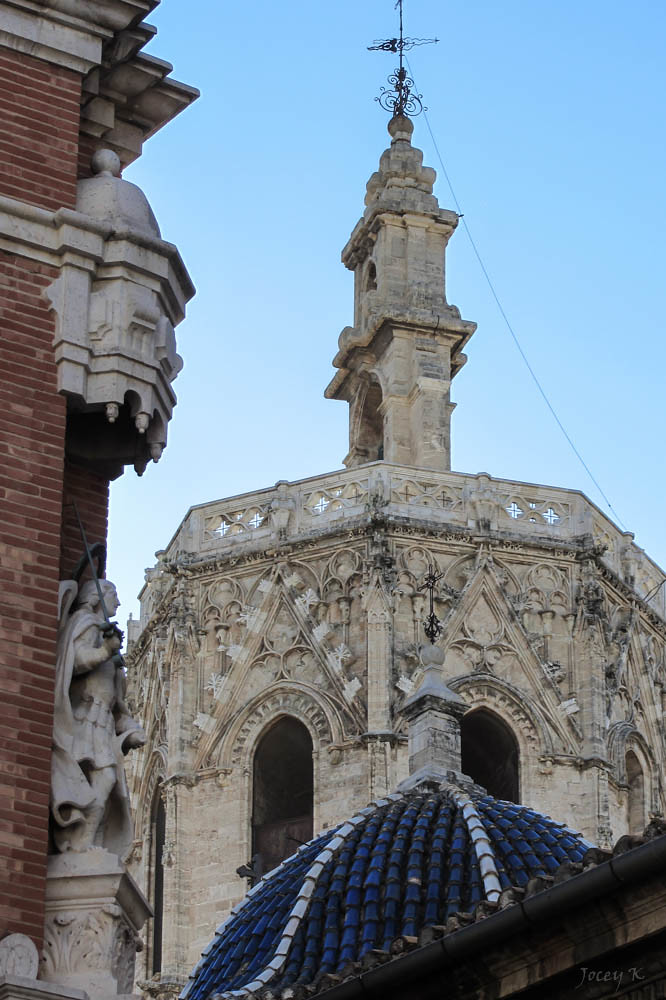
Image 12, if it indeed focuses on a material junction or a play of light across a surface, would be a crucial vehicle for communicating this atmospheric quality. In architectural photography, the ability to capture the way light falls on a material, revealing its grain or its patina, is often what distinguishes a compelling image from a merely documentary one. It is through such images that the viewer can begin to imagine what it might feel like to inhabit the space, to touch its surfaces, and to experience its changing moods throughout the day and across the seasons.
From Student Project to Professional Practice
The transition from academic project to professional practice is a significant leap, and ISAD is committed to preparing its students for this challenge. The portfolio, of which the Cohors project is a part, is not simply a collection of pretty pictures but a strategic document that demonstrates a student’s ability to think, to design, and to communicate. Each project is expected to tell a clear story, from initial concept through to final resolution, and to showcase the full range of skills that the student has acquired during their studies.
In this context, Image 12 plays a specific role within the Cohors narrative. It is not enough for an image to be beautiful; it must also be meaningful. It must advance the argument of the project, reveal something new about the design, or provoke a particular response in the viewer. The fact that this image has been selected for inclusion in the portfolio – and given a specific place in the sequence – indicates that it successfully fulfills one or more of these functions. It is a small but significant piece of evidence of the student’s growing mastery of the architectural medium.
Conclusion: The Enduring Value of Design Education
As we reflect on the Cohors project and the single image that has been the focus of this article, we are reminded of the enduring value of design education. In a world that is increasingly complex and interconnected, the ability to think critically, to design responsibly, and to communicate effectively is more important than ever. Institutions like ISAD play a vital role in nurturing these abilities, providing a space where young designers can experiment, fail, learn, and grow.
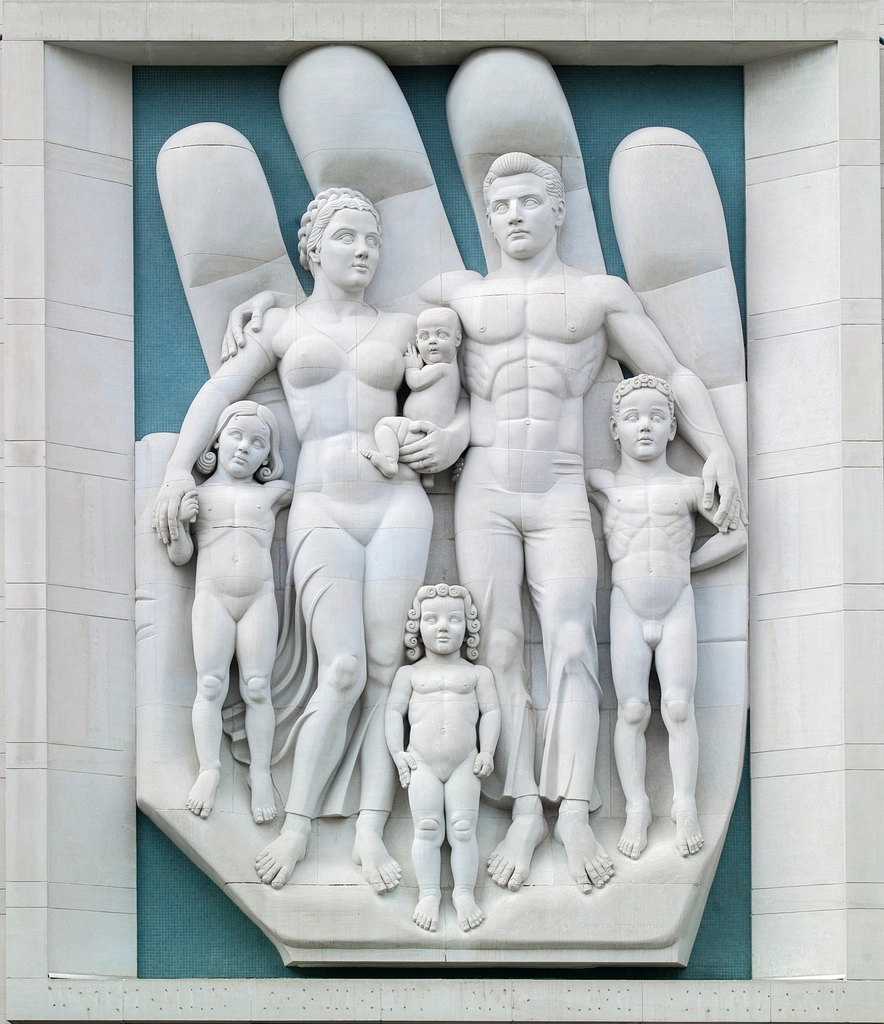
The Cohors project, with its thoughtful engagement with themes of community, materiality, and atmosphere, is a fine example of the kind of work that emerges from this environment. And Image 12, as a single frame within that larger narrative, offers a glimpse into the creative process – a moment of clarity in which idea and form, concept and material, come together in a single, compelling vision. It is a reminder that behind every great building, every well-designed object, there is a process of inquiry, experimentation, and refinement that is the true foundation of design excellence.
For those interested in exploring more student work from ISAD, the Ahuir340 project offers another fascinating perspective on contemporary design challenges. Its related images, such as Ahuir340 – Image 12 and Ahuir340 – Image 2, provide further insight into the diverse approaches taken by ISAD students.
Written by ISAD — School of Design in Milan
← Back to blog