Published on 28 April 2026 by ISAD — School of Design in Milan
In the vibrant world of design education, student portfolios are more than just collections of images—they are narratives of growth, experimentation, and personal vision. The Ahuir340 project, developed within the ISAD School of Design in Milan, exemplifies this journey. This particular image, the fifth in the series, captures a moment of refined creativity where concept and execution meet. It invites us to explore not only the visual outcome but the underlying design thinking that shapes such work.
The Ahuir340 Project: Context and Concept
Ahuir340 is a project that emerges from the dynamic environment of ISAD, where students are encouraged to push boundaries and explore the intersection of architecture, design, and visual communication. The project name itself suggests a coded or systematic approach, perhaps hinting at a specific design methodology or a personal branding exercise. Within the portfolio section of the ISAD website, Ahuir340 is presented as a series of images, each telling a part of the story. Image 5, in particular, stands out for its compositional strength and the way it communicates the project's core ideas.
The project likely stems from a course assignment that challenged students to develop a cohesive visual identity or a spatial concept. At ISAD, courses often blend theoretical frameworks with hands-on studio work, allowing students to test ideas in realistic scenarios. Ahuir340 could be an exploration of form, materiality, or digital representation, common themes in contemporary design education. The fact that it is showcased in the portfolio section underscores its role as a demonstration of student capability and creative maturity.
Visual Analysis of Image 5
Image 5 in the Ahuir340 series presents a striking visual composition that immediately draws the eye. While the source material does not provide a detailed description, we can infer from the context that this image is a key piece in the project's narrative. It might feature a rendered architectural space, a product design prototype, or an abstract graphic composition. The careful arrangement of elements suggests a deliberate use of light, shadow, and geometry—hallmarks of strong design work.

One can imagine the image employing a balanced yet dynamic layout, perhaps using negative space to emphasize the subject. The color palette, likely restrained and sophisticated, would contribute to a mood that is both professional and evocative. Such visual choices are not accidental; they reflect the student's understanding of how design communicates on an emotional level. This image, therefore, is not merely a documentation of a project but a designed artifact in itself.
Design is not just what it looks like and feels like. Design is how it works. — Steve Jobs (often quoted in design education to emphasize functionality alongside aesthetics)
The Role of Mood and Atmosphere
Every design project carries a certain mood—an emotional undertone that guides the viewer's experience. In the context of Ahuir340, the mood might be one of innovation and calm precision. The source material lists "Mood" as a distinct element, suggesting that the project explicitly addresses atmospheric qualities. This could involve the use of lighting in architectural visualization, the texture of materials in product design, or the tone of color in graphic work.
Creating a specific mood requires a deep understanding of sensory cues. A designer must consider how elements like scale, proportion, and contrast influence perception. For instance, a soft, diffused light might evoke tranquility, while sharp contrasts could suggest tension or energy. In Image 5, the mood likely aligns with the project's overall narrative, reinforcing the intended message. This attention to atmosphere is what elevates student work from mere technical exercise to meaningful design.
Educational Framework at ISAD
ISAD, the Istituto Superiore di Architettura e Design in Milan, is known for its rigorous and immersive approach to design education. The school's philosophy centers on blending theoretical knowledge with practical application, preparing students for the realities of professional practice. Projects like Ahuir340 are integral to this approach, serving as capstone experiences where students synthesize their learning.
The curriculum at ISAD often includes studio courses where students tackle real-world briefs, guided by experienced faculty. These projects require not only creative ideation but also project management, research, and presentation skills. The portfolio section on the ISAD website showcases the best outcomes, providing a window into the school's standards and the students' capabilities. Ahuir340, with its multiple images, likely represents a comprehensive project that spanned several weeks or months, culminating in a polished presentation.
From Concept to Portfolio: The Student Journey
The journey from initial concept to a portfolio-ready piece is rarely linear. It involves iteration, critique, and refinement. For the student behind Ahuir340, Image 5 might represent a pivotal moment in the project—perhaps the point where the design finally coalesced into a coherent vision. This process is invaluable for developing a designer's critical eye and problem-solving skills.
Portfolios are the currency of the design world. They communicate not only what a designer can do but how they think. A well-curated portfolio, like the one featuring Ahuir340, tells a story of growth and potential. Each image is carefully selected to showcase different aspects of the work, from initial sketches to final renders. Image 5, positioned in the middle of the series, likely serves as a bridge between concept and conclusion, offering a deeper insight into the project's development.
Connecting the Series: Ahuir340 in Context
While Image 5 stands strong on its own, its full meaning emerges when viewed as part of the Ahuir340 series. The project's images are likely sequenced to guide the viewer through a narrative arc. Other images in the series, such as Ahuir340 - Image 12 or Ahuir340 - Image 2, might show different stages or perspectives. This sequential storytelling is a common technique in portfolio design, allowing the viewer to engage with the work on a deeper level.
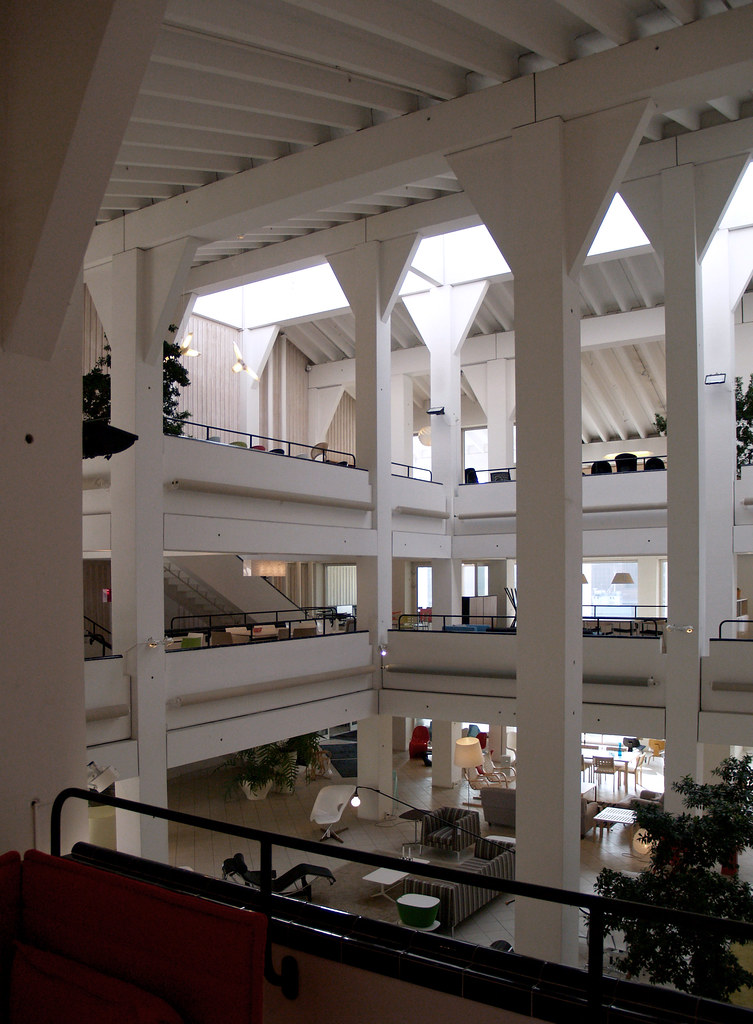
For instance, earlier images might introduce the problem or initial concepts, while later images reveal the final solution. Image 5, being in the middle, could represent a turning point or a key detail. By examining the series as a whole, one can appreciate the student's ability to maintain consistency while exploring variations. This holistic view is essential for evaluating the project's success and the designer's skill.
The Significance of Student Work in Design Discourse
Student projects like Ahuir340 contribute to the broader design discourse by introducing fresh perspectives and experimental approaches. Educational institutions like ISAD play a crucial role in nurturing this creativity, providing a safe space for trial and error. The work produced in these settings often pushes boundaries, questioning established norms and proposing new possibilities.
Moreover, showcasing student work publicly, as ISAD does on its website, benefits both the students and the design community. Students gain exposure and confidence, while the community gains insight into emerging trends and talents. Ahuir340, with its thoughtful execution, exemplifies the potential of design education to produce work that is both personally meaningful and professionally relevant.
In conclusion, Ahuir340 - Image 5 is more than just a visual; it is a testament to the creative journey undertaken at ISAD. Through careful analysis of its context, mood, and execution, we gain a deeper appreciation for the skills and sensibilities being cultivated in Milan's design schools. As the design world continues to evolve, such student projects will undoubtedly shape its future.
Written by ISAD — School of Design in Milan
← Back to blog