Published on 3 May 2026 by ISAD — School of Design in Milan
In the portfolio of ISAD – Istituto Superiore di Architettura e Design in Milan, the project titled Ahuir340 stands as a testament to the creative and technical rigor cultivated within the school's studios. This particular image, identified as Image 4, offers a glimpse into a design investigation that balances aesthetic sensibility with functional intent. While the source material provides only minimal metadata—listing the project name, course, mood, and author—the visual language of Ahuir340 invites a deeper consideration of contemporary design practice, material exploration, and the pedagogical environment from which it emerged.
Understanding the Ahuir340 Project
Ahuir340 is more than a single image; it is a body of work developed within a specific course at ISAD, where students are encouraged to push beyond conventional boundaries. The project's name itself—Ahuir340—suggests a coded or systematic approach, perhaps referencing a module, a coordinate, or an internal classification used during the design process. Such naming conventions are common in academic settings, where projects evolve through iterative phases and are often catalogued by number or sequence.
The portfolio entry for Ahuir340 includes multiple images, each capturing a distinct aspect of the project. Ahuir340 - Image 12 may reveal the final presentation or a detailed close-up, while Ahuir340 - Image 2 and Ahuir340 - Image 3 likely document earlier stages or alternative views. This image, number 4, occupies a pivotal position in the sequence—neither introductory nor conclusive—suggesting it captures a moment of development, a material test, or a spatial configuration that is central to the project's narrative.
Without explicit descriptive text, the viewer is left to interpret the visual cues present in the image. The mood noted in the metadata—though not specified in the source—likely informs the atmospheric quality of the work. In design education, "mood" often refers to the emotional or sensory tone a project aims to evoke, whether through lighting, texture, color palette, or composition. Ahuir340's mood, therefore, is not incidental but intentional, guiding the viewer's response and anchoring the project's conceptual framework.
The Role of Course Context in Design Development
Every project at ISAD is embedded within a structured curriculum that shapes its objectives and constraints. The course associated with Ahuir340—though unnamed in the available material—would have provided a specific set of tools, theories, and methodologies. Whether the course focused on interior architecture, product design, or digital fabrication, its influence is evident in the project's formal language and technical execution.
Design courses at institutions like ISAD often emphasize a balance between conceptual exploration and practical resolution. Students are tasked with identifying a problem or opportunity, conducting research, generating alternatives, and refining a final proposal. The portfolio images serve as evidence of this process, and Image 4 likely captures a critical juncture where concept begins to materialize into form. It may show a physical model, a digital rendering, or a hybrid representation that communicates the project's essence.
The pedagogical approach at ISAD—rooted in Milan's rich design heritage—encourages students to engage with real-world contexts while maintaining a speculative edge. Milan, as a global capital of design and fashion, provides an unparalleled backdrop for such investigations. The city's annual Salone del Mobile, its network of studios and manufacturers, and its history of radical design movements all inform the creative atmosphere in which projects like Ahuir340 are conceived.
Deconstructing the Visual Language of Image 4
While the specific content of Image 4 is not described in the source, we can infer its significance from its placement within the portfolio. In a typical project sequence, the fourth image often represents a transition from broad exploration to focused development. It might depict a key material sample, a sectional drawing, a perspective view, or a detail that encapsulates the project's core idea.
Consider the possibility that Ahuir340 is an interior design project. Image 4 could show a custom furniture piece, a lighting fixture, or a spatial partition that defines the project's character. Alternatively, if the project is product-oriented, the image might reveal an exploded view, a prototype in use, or a close-up of a joint or surface treatment. The absence of descriptive text allows for multiple readings, which is itself a design strategy—inviting engagement and interpretation.
The mood associated with Ahuir340 likely manifests in the image's color grading, contrast, and composition. A mood of calm and minimalism might be conveyed through soft, diffused lighting and a restrained palette of neutrals. A more dynamic mood could be expressed through dramatic shadows, bold geometries, or unexpected material juxtapositions. Whatever the case, the mood is not merely aesthetic; it communicates the project's intended user experience and emotional resonance.
"Design is not just what it looks like and feels like. Design is how it works." — Steve Jobs (often cited in design education to emphasize the integration of form and function)
This quote, while not from the source material, resonates with the ethos of ISAD's pedagogy. Projects like Ahuir340 are evaluated not only on their visual appeal but on their conceptual clarity, functional logic, and responsiveness to context. Image 4, therefore, must be understood as a piece of evidence in a larger argument about the project's viability and relevance.
The Author's Perspective and Creative Signature
The metadata for Ahuir340 includes an "Author" field, though the name is not provided in the source. In academic portfolios, the author's identity is often secondary to the work itself, particularly when projects are developed collaboratively or under the guidance of faculty. However, every designer leaves a trace of their individual sensibility—a preference for certain materials, a tendency toward particular geometries, or a recurring thematic concern.
At ISAD, students come from diverse backgrounds, bringing unique cultural perspectives and technical skills. The author of Ahuir340 may have drawn inspiration from Milan's industrial design legacy, from contemporary digital fabrication techniques, or from a personal narrative that infuses the project with meaning. The portfolio format allows this individual voice to emerge through the selection and sequencing of images, and Image 4 is a deliberate choice in that narrative.
Understanding the author's intent requires looking beyond the single image to the project as a whole. The relationship between Ahuir340 - Image 5 and Ahuir340 - Image 6 might reveal a progression or a set of variations. The first image in the series, Ahuir340, likely establishes the project's overall concept, while subsequent images delve into specifics. Image 4, then, is a crucial link in this chain, bridging the general and the particular.
Materiality, Process, and the Milanese Context
Milan's design culture is deeply rooted in material innovation and craftsmanship. From the textile mills of the early 20th century to the high-tech laboratories of today, the city has consistently championed the exploration of new materials and production methods. ISAD, situated in this environment, encourages students to experiment with materials not as passive substrates but as active agents in the design process.
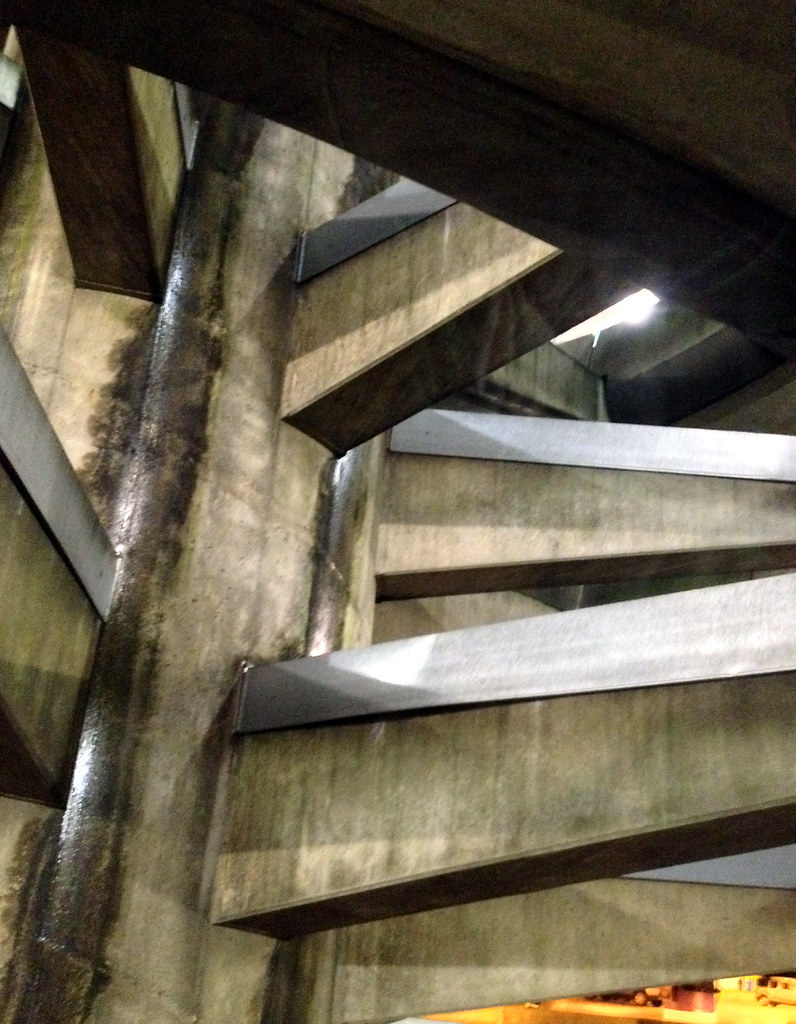
Ahuir340's Image 4 may foreground a particular material—concrete, wood, metal, glass, or an advanced composite—and its treatment. The way light interacts with a surface, the texture revealed at close range, the joinery that connects components: these details speak to a designer's understanding of material behavior and their ability to manipulate it for expressive and functional ends.
Process is equally important. Design is rarely a linear path from idea to object; it involves testing, failure, and iteration. The portfolio images at ISAD often document this process, showing sketches, mock-ups, and prototypes alongside final renderings. Image 4 might capture a moment of making—a hand shaping a form, a machine cutting a profile, or a digital model being refined. Such images humanize the design process and reveal the labor behind the polished result.
Interpreting the Mood: Atmosphere as Design Tool
The concept of "mood" in design extends beyond mere ambiance; it is a strategic tool for shaping user experience. In interior design, mood is created through lighting, color, acoustics, and spatial proportions. In product design, mood can be conveyed through form, weight, and tactile qualities. The mood associated with Ahuir340, though unspecified in the source, is likely a deliberate component of the project's brief.
Designers often use mood boards—collections of images, materials, and colors—to define and communicate the intended atmosphere of a project. These boards serve as a reference point throughout the design process, ensuring that every decision aligns with the desired emotional response. The portfolio image may be a direct output of this mood-setting exercise, translating abstract feelings into concrete visual terms.
For the viewer, engaging with the mood of Ahuir340 requires a sensitivity to nuance. The subtle shift in shadow, the precise angle of a line, the unexpected pairing of textures—these are the elements that create a cohesive sensory experience. In a portfolio context, the mood also signals the designer's ability to think holistically, considering not just the object but the entire environment in which it will exist.
Conclusion: The Value of Portfolio Documentation
Portfolios like the one hosting Ahuir340 serve multiple purposes. For students, they are a record of growth and a tool for professional advancement. For educators, they are evidence of pedagogical effectiveness. For the broader design community, they offer a window into emerging trends and talents. Each image, including Image 4, is a carefully curated artifact that contributes to this larger narrative.
The minimal metadata provided—project name, course, mood, author—invites the viewer to focus on the visual and conceptual content rather than biographical details. This approach aligns with a design philosophy that prioritizes the work itself. As the ISAD portfolio states, these are "the best projects created by our students during their courses of study," a claim that underscores the institution's commitment to excellence and its role in shaping the next generation of designers.
In the end, Ahuir340 - Image 4 is not just a picture; it is a node in a network of ideas, a snapshot of a creative journey, and a testament to the power of design education. Whether viewed in isolation or as part of the full sequence, it invites us to look closer, think deeper, and appreciate the intricate dance between concept and execution that defines great design.
Written by ISAD — School of Design in Milan
← Back to blog