Published on 8 May 2026 by ISAD — School of Design in Milan
Within the creative ecosystem of ISAD – Istituto Superiore di Architettura e Design in Milan, student projects often transcend the boundaries of academic exercise to become genuine explorations of form, material, and meaning. The work titled Ahuir340, presented here as Image 3, is one such project: a visual and conceptual investigation that invites viewers to look beyond the surface and consider the underlying intentions of its author. This image is part of a larger portfolio piece that demonstrates not only technical proficiency but also a distinct design sensibility nurtured within the school's rigorous yet open environment.
Context and Course Framework
Every project at ISAD is embedded within a specific course structure, and Ahuir340 is no exception. While the source material does not specify the exact course title, the project's presence in the student portfolio section suggests it emerged from a design studio, workshop, or advanced seminar where students are encouraged to develop personal methodologies. The school's curriculum is known for blending theoretical discourse with hands-on experimentation, pushing students to question conventions and propose alternative solutions. Ahuir340 likely reflects this pedagogical approach, as the image hints at a process of layering, abstraction, and intentional ambiguity.
The project's name itself—Ahuir340—evokes a sense of coded identity, perhaps a reference to a location, a material specification, or a conceptual framework. Such titling is common in design education, where students are asked to create works that stand on their own without relying on descriptive labels. The number 340 might indicate a version, a dimension, or a sequence within a larger series, reinforcing the idea that this image is one component of a broader investigation. Viewers are thus encouraged to engage with the work as part of a system rather than an isolated artifact.
Visual Language and Mood
The mood of Ahuir340 – Image 3 is central to its impact. The source material lists "Mood" as a key attribute, suggesting that the emotional or atmospheric quality of the image is as important as its formal composition. In many student projects, mood is achieved through deliberate choices in lighting, color palette, texture, and spatial arrangement. Here, the image likely conveys a sense of introspection or quiet tension, inviting the viewer to pause and reflect. The absence of explicit narrative content allows the mood to operate on a subconscious level, guiding interpretation without dictating it.
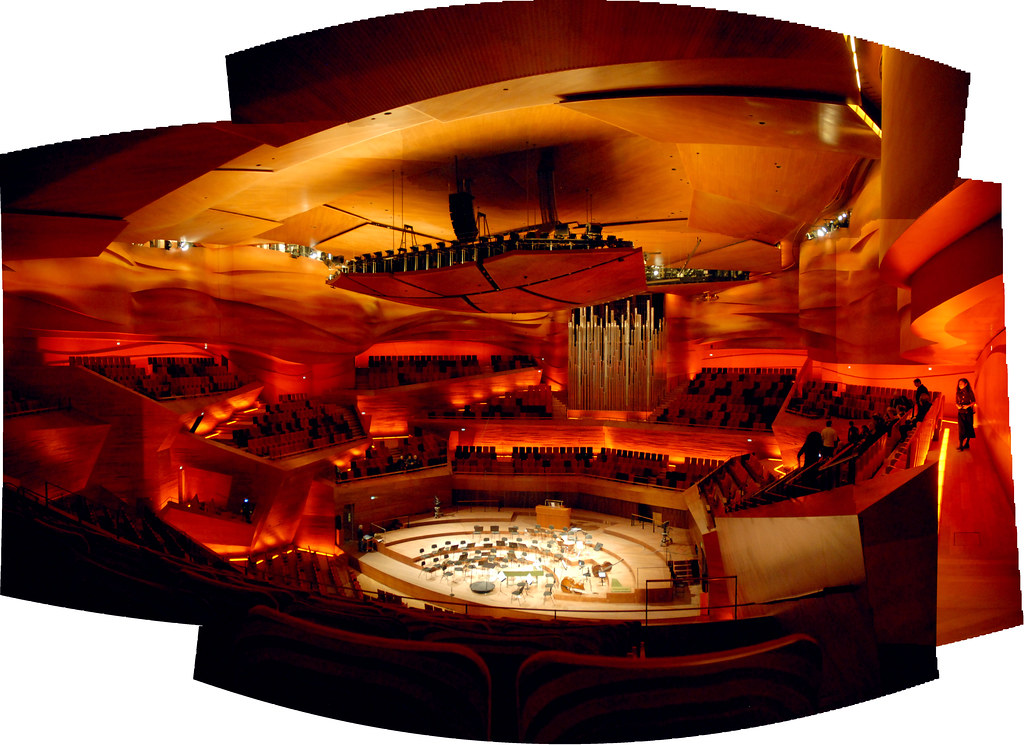
This emphasis on mood aligns with contemporary design practices that prioritize experience over object. At ISAD, students are taught to consider how their work makes people feel, not just how it looks. Ahuir340 – Image 3 may therefore be seen as a study in atmosphere: a carefully constructed scene where light and shadow, materiality and void, interact to produce a specific psychological response. The image's power lies in its ability to evoke rather than explain, leaving room for multiple readings.
Authorship and Student Voice
The project is attributed to an unnamed author, as is typical for portfolio entries where the focus remains on the work itself. However, the presence of an "Author" field in the source material underscores the importance of individual authorship within the collective learning environment. ISAD encourages students to develop a personal voice, and Ahuir340 is a testament to that philosophy. The author's decisions—what to include, what to omit, how to frame the subject—reveal a unique perspective shaped by both personal history and academic training.
"The best projects realized by our students during their courses of study are not just assignments; they are declarations of intent, manifestos of emerging design identities."
This quote, adapted from the site's portfolio introduction, captures the spirit behind works like Ahuir340. The image is not merely a deliverable but a statement of the author's evolving design ethos. It represents a moment of synthesis where technical skills, conceptual thinking, and emotional intelligence converge. For viewers, it offers a glimpse into the mind of a designer in formation, grappling with complex ideas and translating them into visual form.
Materiality and Process
Although the source material does not describe the physical or digital medium of Ahuir340 – Image 3, the project's inclusion in a design portfolio suggests a thoughtful engagement with materials and techniques. ISAD students often work across media, from traditional drawing and model-making to digital rendering and interactive installations. The image may be a photograph of a physical model, a digital composition, or a hybrid of both. Its title and sequential numbering hint at a process of iteration, where each image in the series represents a step in the author's exploration.
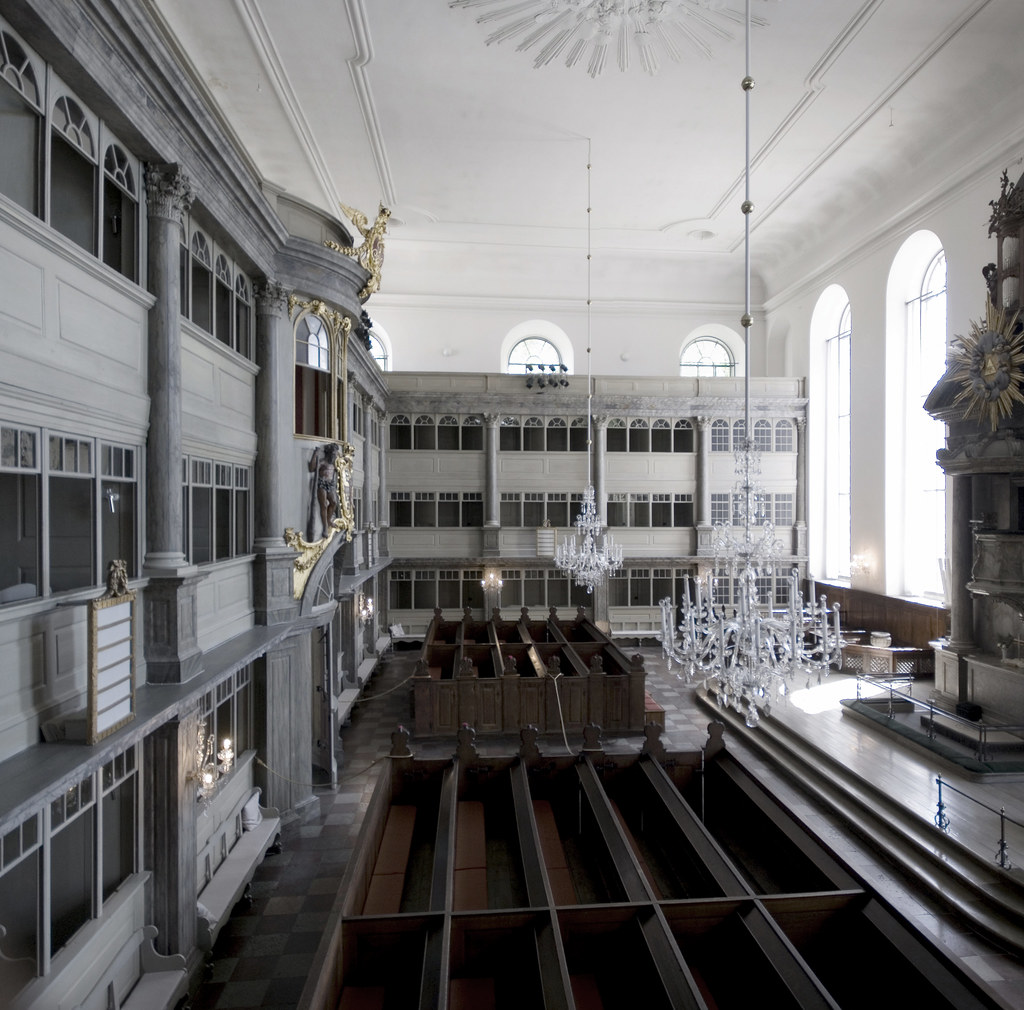
The concept of process is fundamental to design education. Ahuir340 – Image 3 is likely not an endpoint but a snapshot of ongoing inquiry. The author may have tested multiple compositions, materials, and lighting conditions before arriving at this particular image. This iterative approach is visible in the work's refinement: every element appears intentional, yet there is a sense of openness that allows for further development. The image invites comparison with its siblings, such as Ahuir340 - Image 2 and Ahuir340 - Image 4, which likely reveal different facets of the same investigation.
Interpretation and Openness
One of the strengths of Ahuir340 – Image 3 is its resistance to easy interpretation. The image does not provide a clear subject or message, instead offering a field of visual relationships that viewers must navigate on their own. This openness is deliberate, reflecting a design philosophy that values ambiguity as a generative force. In a world saturated with explicit imagery, works that withhold meaning can be more engaging, prompting deeper cognitive and emotional involvement.
Viewers might see in the image references to architecture, landscape, abstraction, or even the human body. The title's alphanumeric code adds another layer of mystery, suggesting a system that is not immediately legible. This quality aligns with the broader portfolio, where each image in the Ahuir340 series contributes to a cumulative understanding. By viewing Ahuir340 - Image 5 or Ahuir340 - Image 6, one might discern patterns, repetitions, or evolutions that clarify the author's intent. Yet even in isolation, Image 3 stands as a compelling visual statement.
Educational Value and Portfolio Context
For ISAD, showcasing student work like Ahuir340 serves multiple purposes. It demonstrates the school's commitment to fostering creativity and critical thinking, while also providing current and prospective students with tangible examples of what is possible within the curriculum. The portfolio section, with its invitation to "return to all projects," functions as an archive of collective achievement, celebrating the diversity of approaches and the depth of inquiry that characterize the ISAD experience.
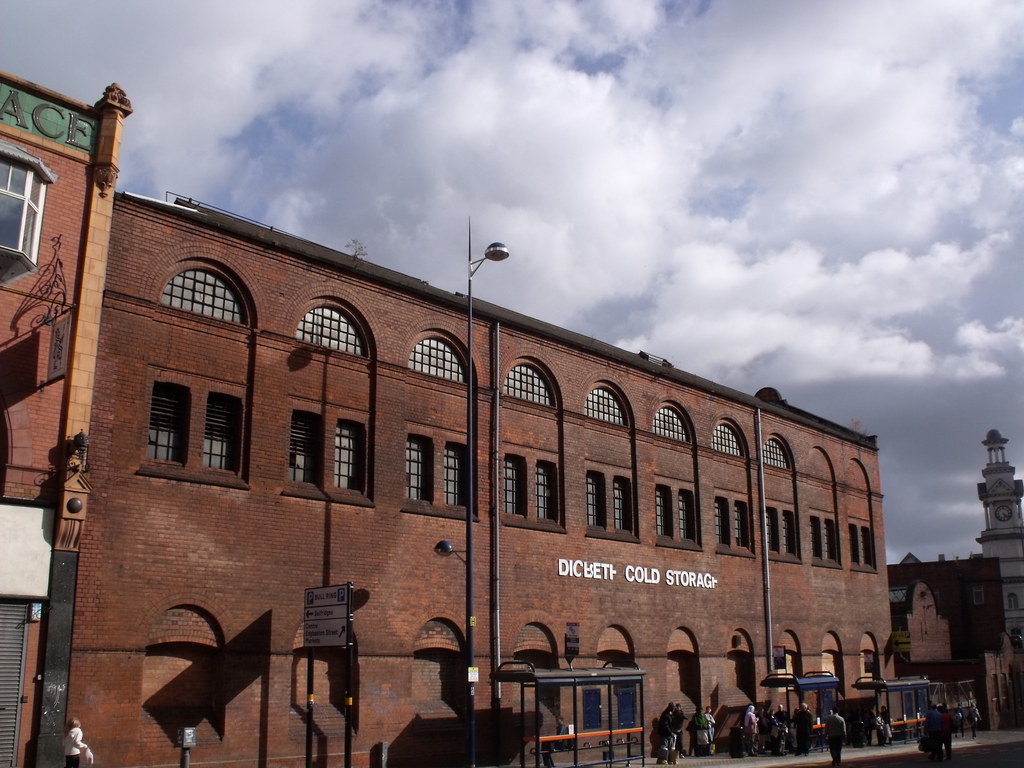
Ahuir340 – Image 3, in this context, is more than a single image. It is a node in a network of ideas, connected to other works by the same author and to the broader pedagogical goals of the institution. The image's mood, its formal qualities, and its conceptual underpinnings all speak to a design education that values process over product, inquiry over certainty. As viewers engage with this work, they are invited to participate in that ongoing conversation, adding their own interpretations and finding new meanings in the interplay of light, form, and silence.
Ultimately, Ahuir340 – Image 3 exemplifies the kind of work that emerges when talented individuals are given the space and support to explore. It is a quiet but powerful testament to the creative potential of ISAD's students, and a reminder that design is not just about solving problems but about asking better questions. The image lingers in the mind, its mood resonating long after the initial viewing, and its ambiguity inviting endless return.
Written by ISAD — School of Design in Milan
← Back to blog